
Excellence in Preschool Learning. Hands‑on Teacher Training. Community at the Core.
Located on the NSU campus in historic Natchitoches, the Marie Shaw Dunn Child Development Center serves as a premier type III preschool accredited by NAEYC. Dedicated to nurturing curious, confident three‑ and four‑year-old learners, the CDC blends playful exploration and research-backed instruction under the leadership of certified educators and trained NSU students.
Why Families & Future Teachers Choose Us
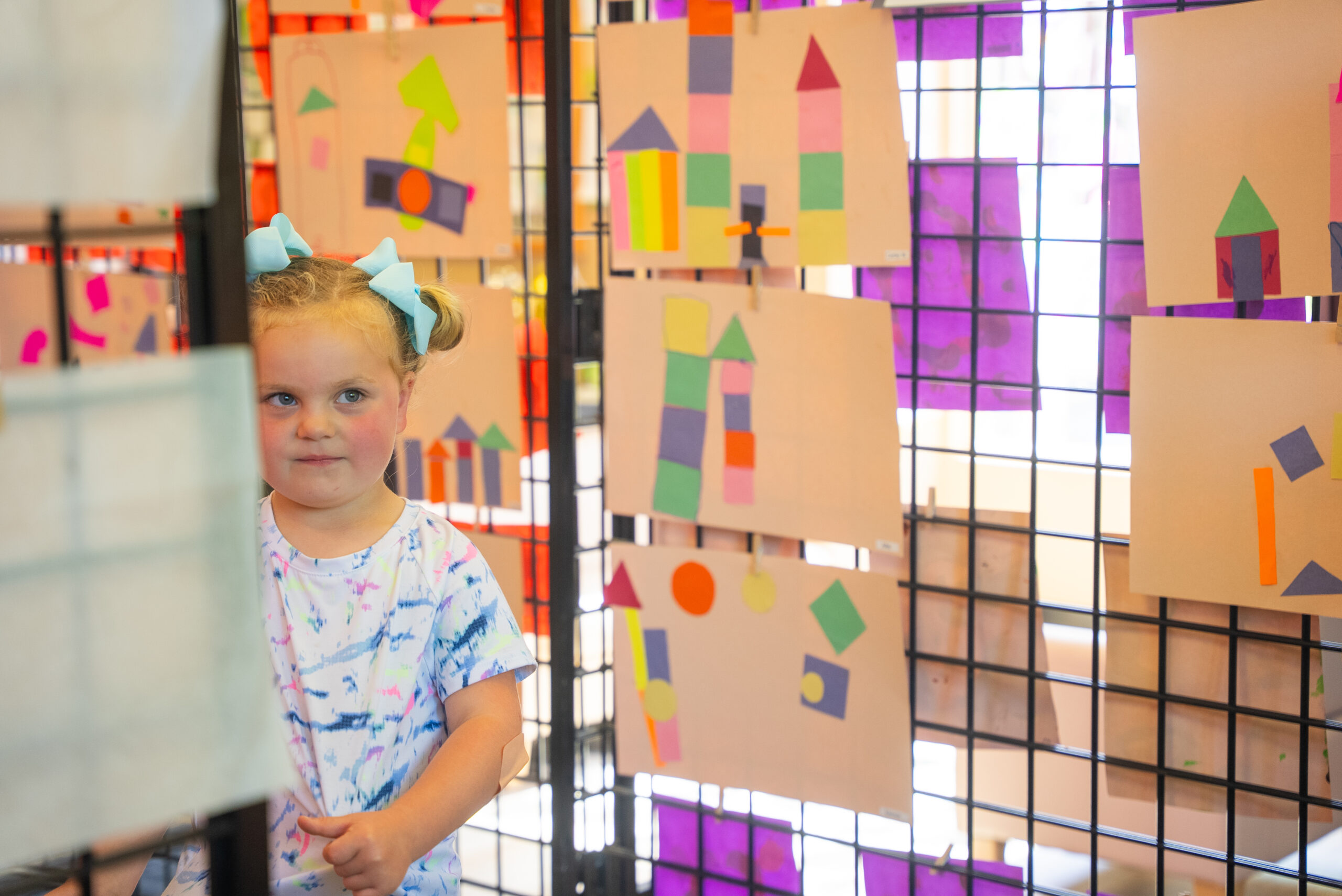
NAEYC-Accredited & Rated Type III
Our five-star rating reflects top-tier safety, curriculum, and developmental outcomes.
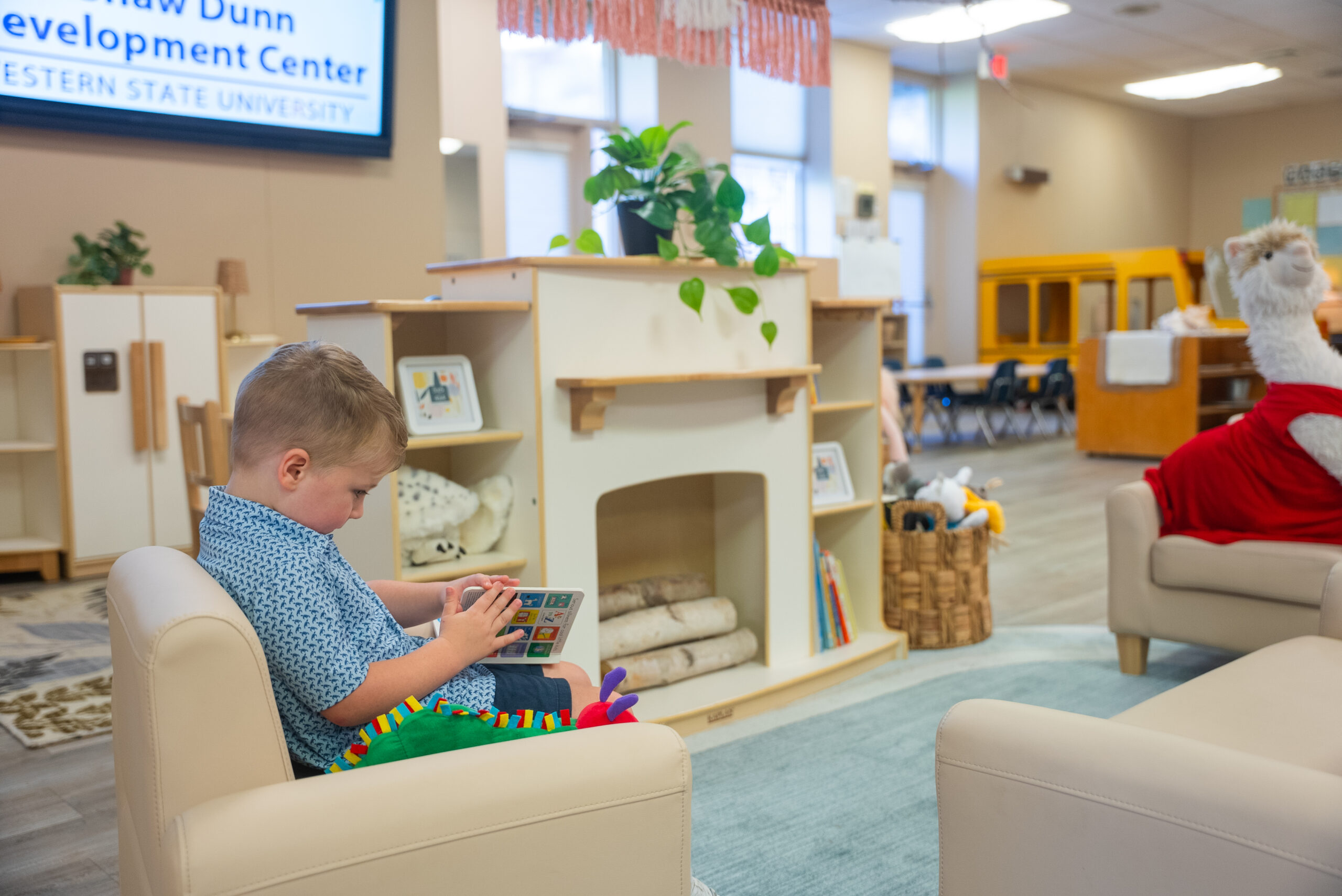
Hands‑on Teacher Training Site
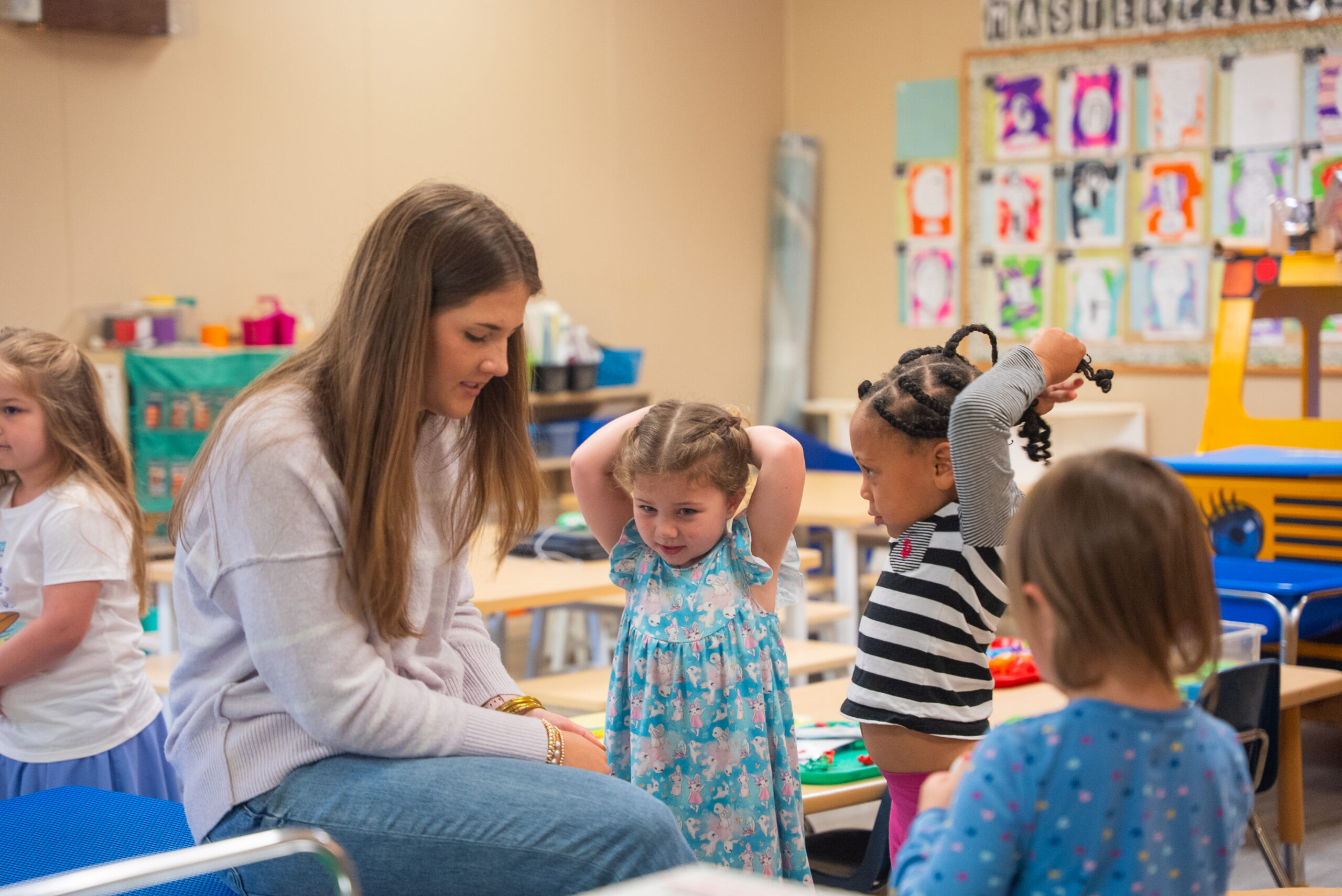
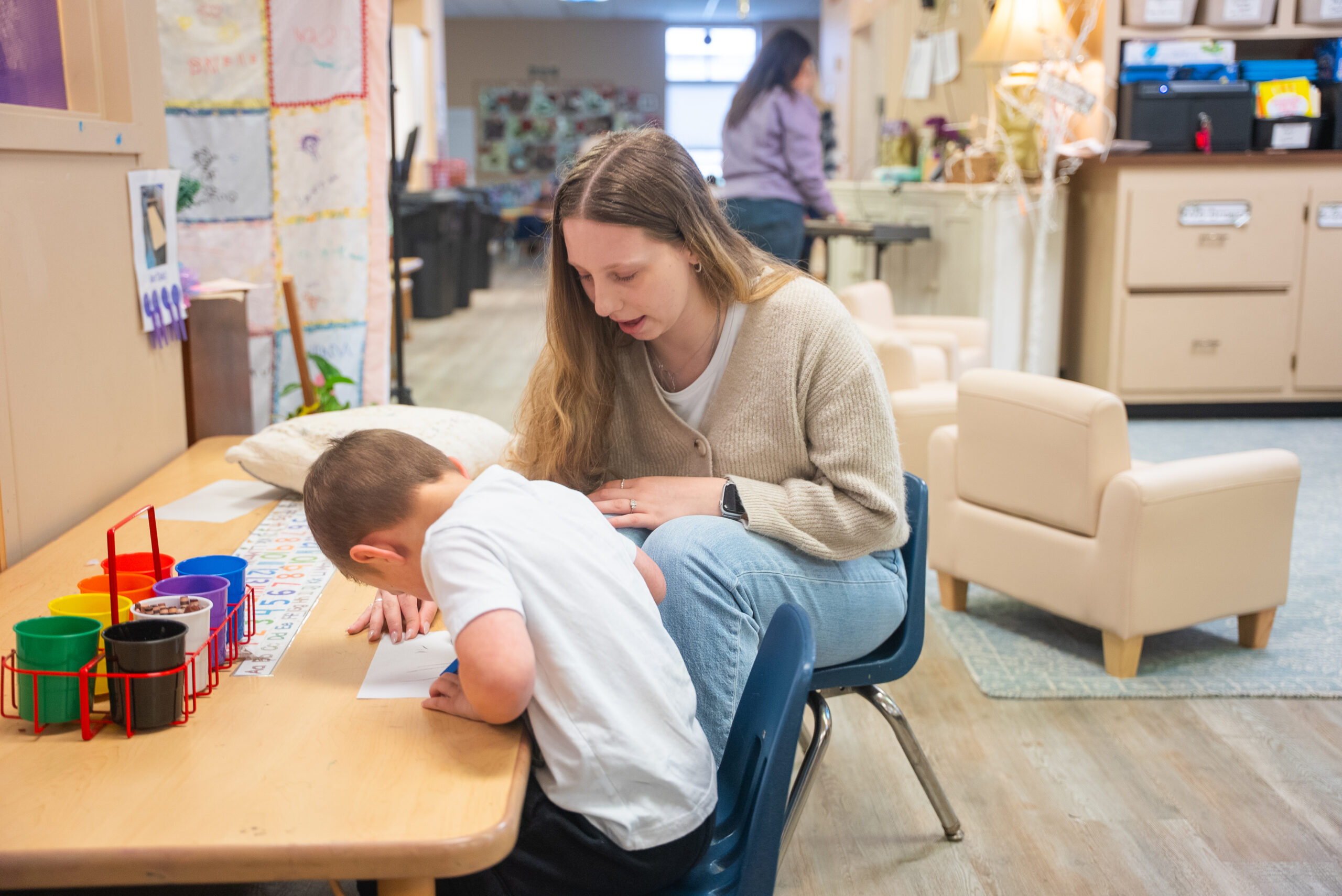
As NSU’s laboratory preschool, we offer real classroom experience for early childhood education majors, integrating fresh research and best practices.

Play-Based, Culturally Responsive Curriculum
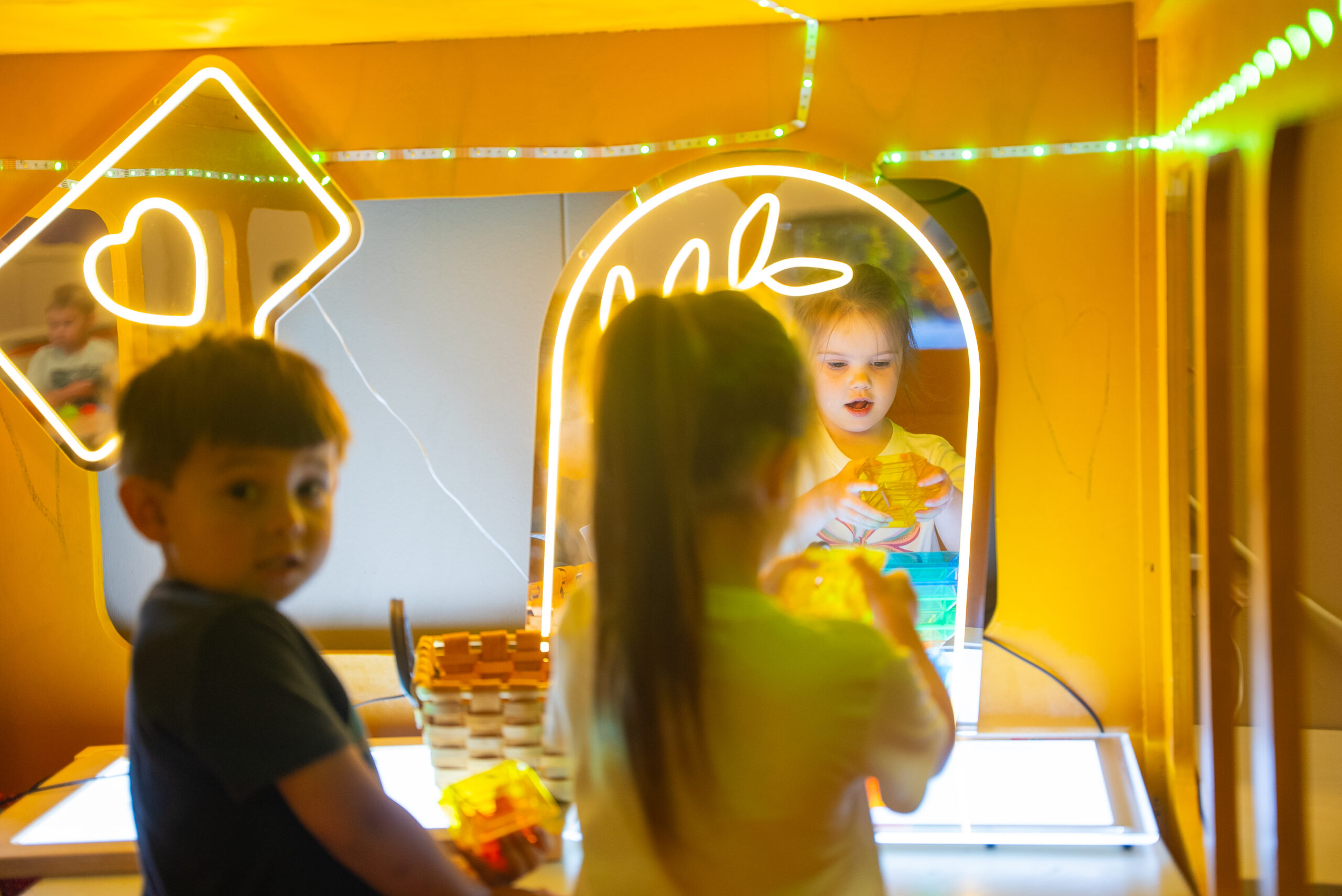
Project- and play-based learning tailored to early developmental standards and inclusive, child-centered classrooms.
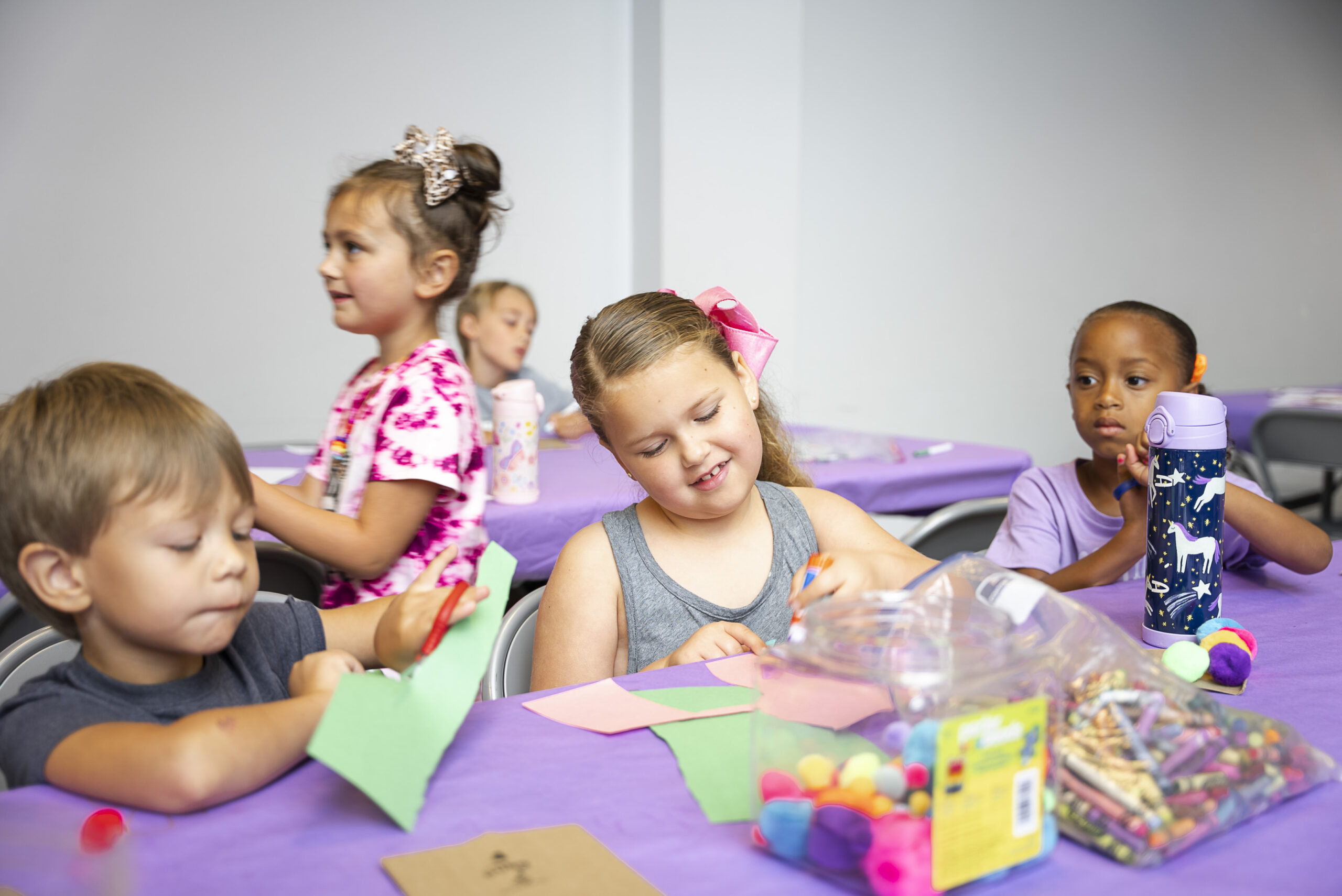
”I have always felt that my children were safe, happy, healthy, and so loved by the CDC family. Two of my children have gone through the CDC and now my third is there. I can say with full confidence that this is the best place they could spend their pre-K years. They truly care for each child on an individualized level. Children are encouraged to learn through play. The staff work diligently to ensure children have a variety of hands-on activities to promote and encourage active learning daily. I love that parents or family members can be as involved with events and activities as they want. There are so many opportunities to be there and get involved. My children come home happy and excited to share what they are learning about at the center. It makes my heart so happy to hear, “Mommy, I love school!”
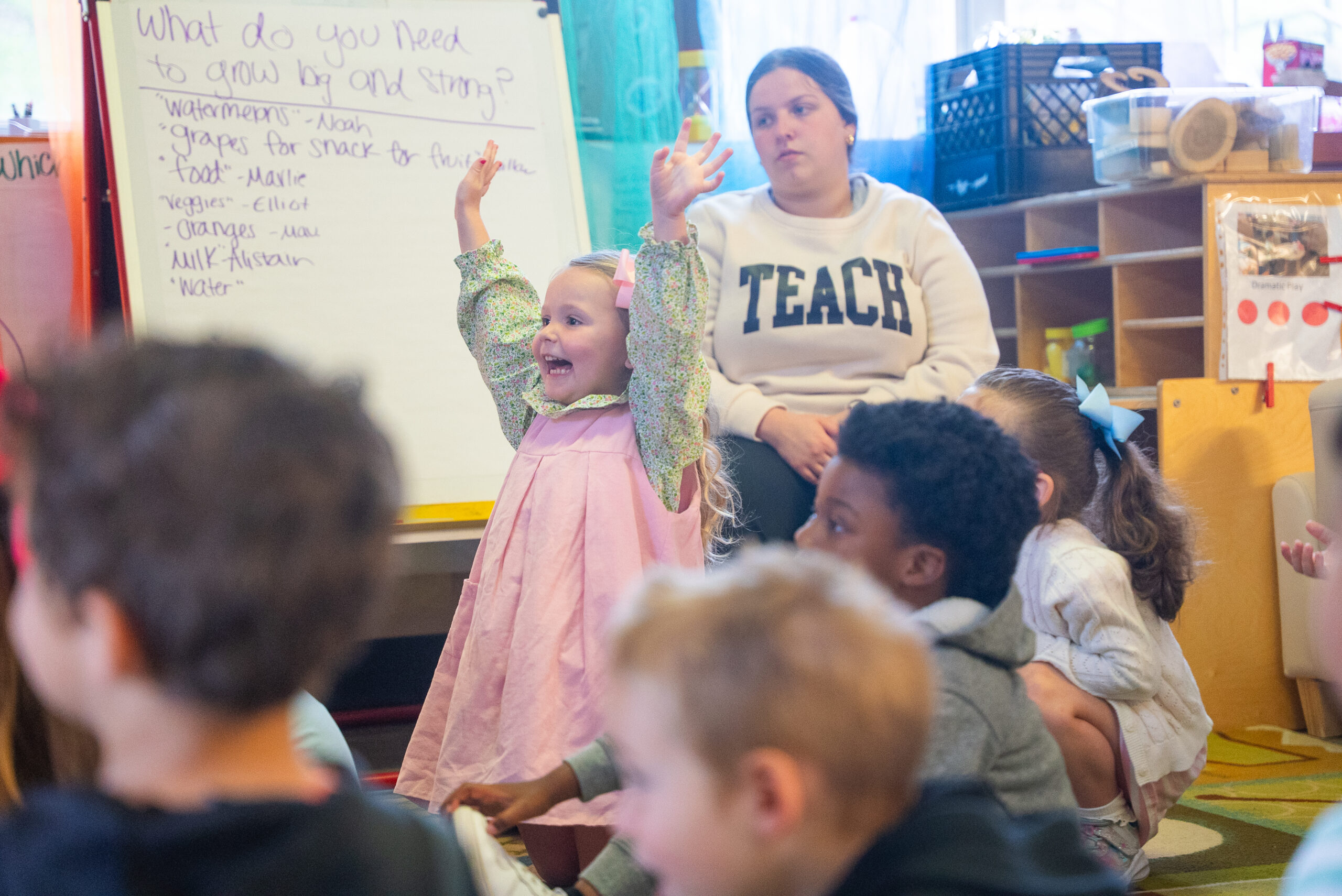
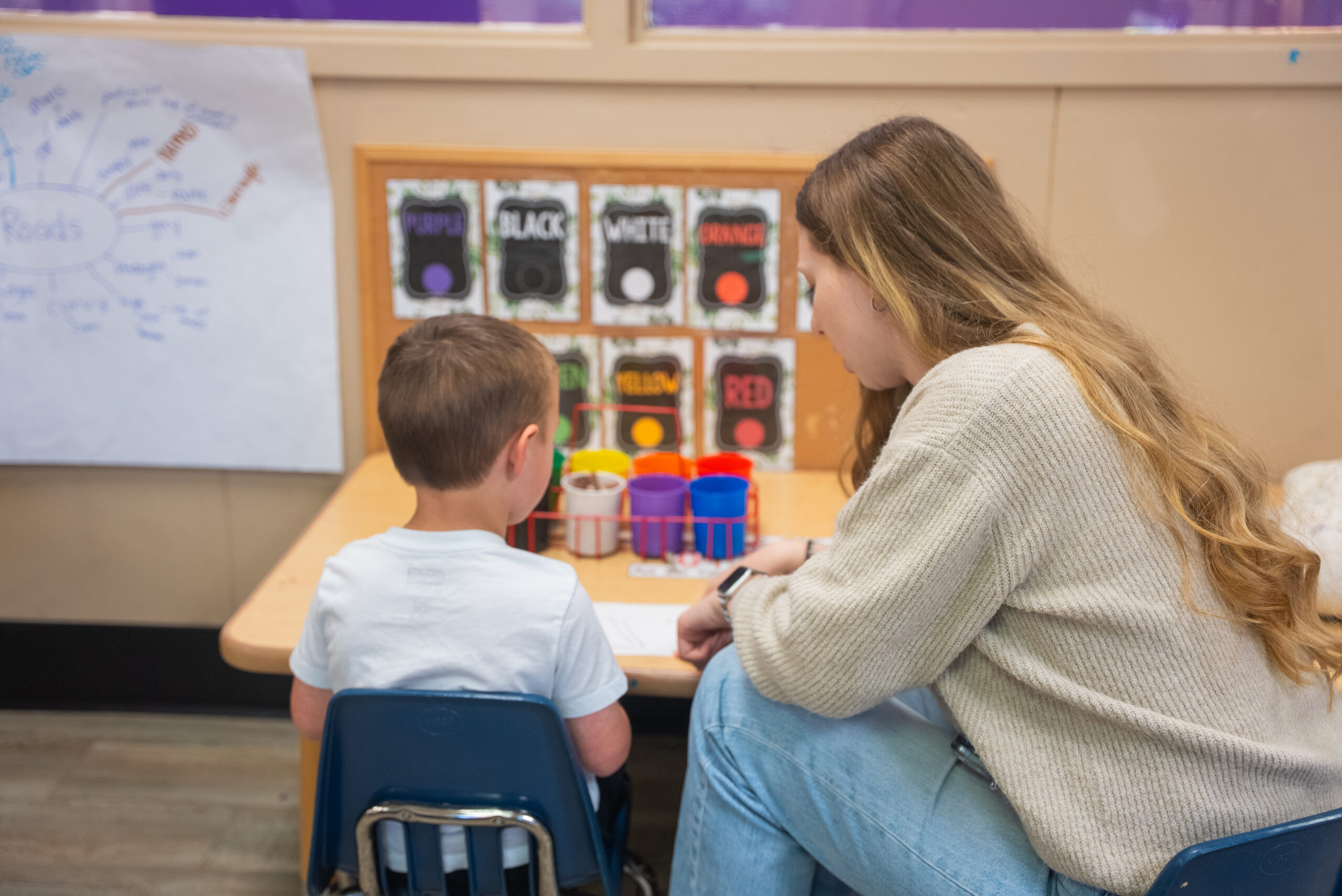
We decided to send our child to the CDC not only because of the quality of learning and teachers that this school provides, but also because of its diversity, which I consider to be important for a child’s development into the world. From what I have seen, the children not only learn great concepts for personal growth, but they have a lot of fun too. My child always tells me how much fun he has at school with all his friends. As a parent, I am certain to say that I would recommend the CDC to anyone!
Enrollment & Admissions
Enrollment at the CDC is on an annual basis. Applicants with the priority status are selected for enrollment first. Priority status is considered in the following order:
1. A child with at least one parent employed full-time at Northwestern State University (NSU) or the Louisiana School for the Math, Science, and Arts (LSMSA)
2. A child with a sibling who currently attends the Marie Shaw Dunn Child Development Center
*The CDC no longer holds priority status in the NSU Laboratory School yearly draw.
Hours & Calendar
Operating Hours: Monday–Friday, 7:15 AM–5:30 PM CST.
Program Calendar: We follow NPSB calendar, but start and end school with NSU’s schedule.
CREATIVE CURRICULUM
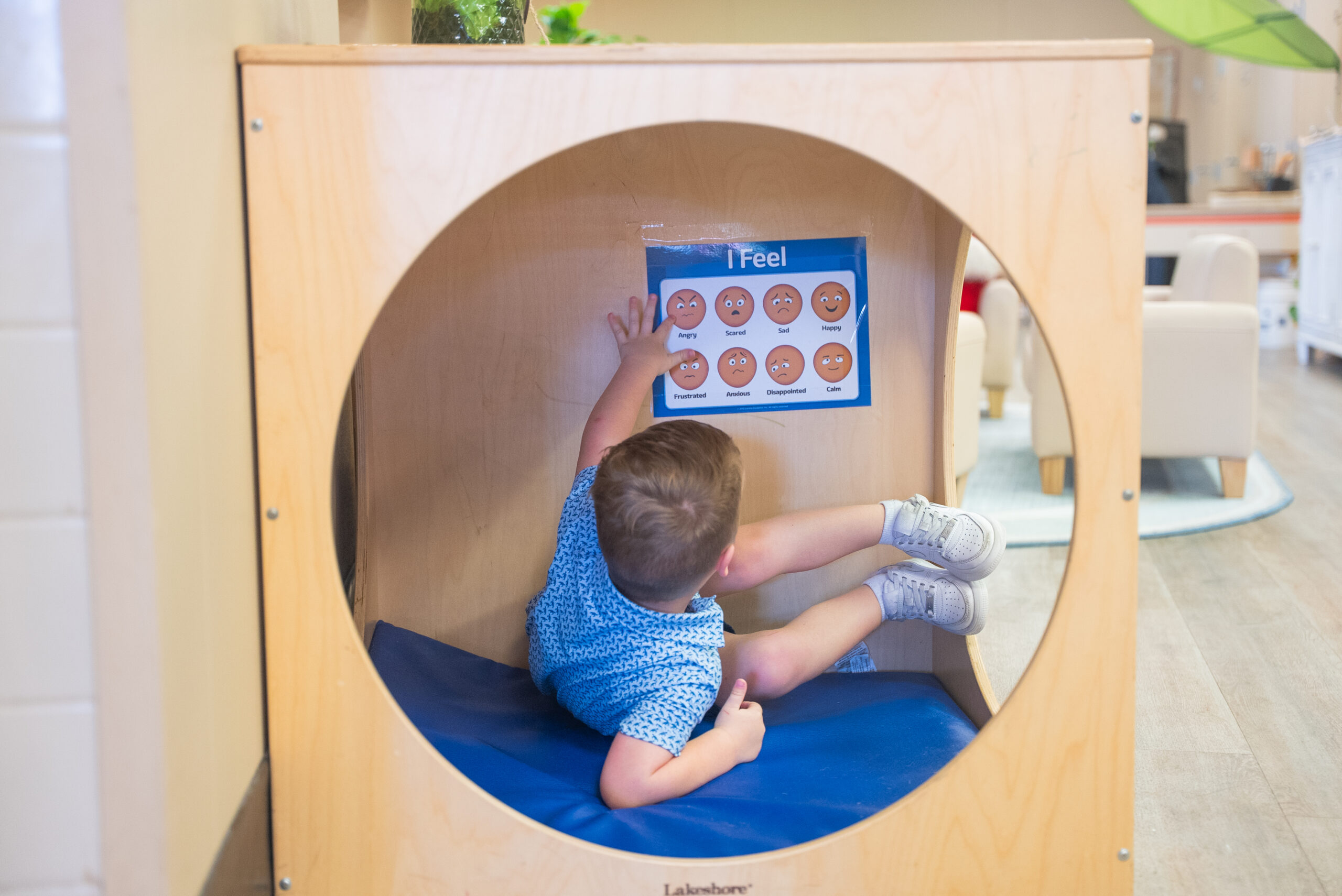
At the Marie Shaw Dunn Child Development Center, learning is rooted in play-based, developmentally appropriate curriculum that aligns with Louisiana’s Early Learning and Developmental Standards. Our three- and four-year-olds engage in project-based, culturally responsive classrooms designed to foster emotional, cognitive, social, and physical growth.
Frequently Asked Questions
Enrollment at the CDC is on an annual basis. Applicants with the priority status are selected for enrollment first. Priority status is considered in the following order:
- A child with at least one parent employed full-time at Northwestern State University (NSU) or the Louisiana School for the Math, Science, and Arts (LSMSA)
- A child with a sibling who currently attends the Marie Shaw Dunn Child Development Center
Due to our limited enrollment capacity of 41 children, a waiting list is maintained for each age group.
Admission to the NSU CDC is open to all children, ages 3 and 4 years by September 30, regardless of race, creed, color, national origin, ancestry, disability, or if breast fed. Enrollment at the NSU CDC shall be offered to children of NSU students, staff, faculty, alumni, and for those not affiliated with NSU.
CDC Application
Apply NowAbout Us
The center began as a nursery school in 1935, the first laboratory nursery school for a child development program in Louisiana. As needs changed, the program became the Child Development Center in 1971, coinciding with a new master’s degree program in early childhood education. About the same time, it became the first in the state to offer a full-day program for children. Then in 1992, it was renamed the Marie Shaw Dunn Child Development Center in honor of a revered faculty member and head of the Department of Home Economics, now the Department of Child and Family Studies. Dr. Dunn, the center’s namesake, had initiated the child development program at NSU and established the first nursery school laboratory in Louisiana to involve college students.
A major emphasis of the program is the need to balance the needs of the children, the families, and the staff. Respecting those needs informs the decisions made daily. The current director, Faith Stanfield Birdwell, continues the many traditions of the program, leading it during the many changes occurring in the early care and education field today. By using the Creative Curriculum, teachers can teach through a child-driven, emergent curriculum aligned with NAEYC standards as well as the Louisiana Early Learning and Developmental Standards. The staff also leads the center through changes in the state to upgrade and expand the availability of quality early care and education programs. By observing, conducting case studies, and participating in the child development center, students can bridge theory and practical implementation to be better prepared to work in the field of early care and education.
The center has always had a strong developmental approach, emphasizing objective and accurate observation as a key to understanding child development. Child development students kept journals of their observations as a key component of their work in the center. The many benefits of the journals were highlighted when the unfortunate death of a college student led her family to establish a fund for playground improvement after reading her journal and seeing how much the experiences at the center had meant to her and influenced her planned career.
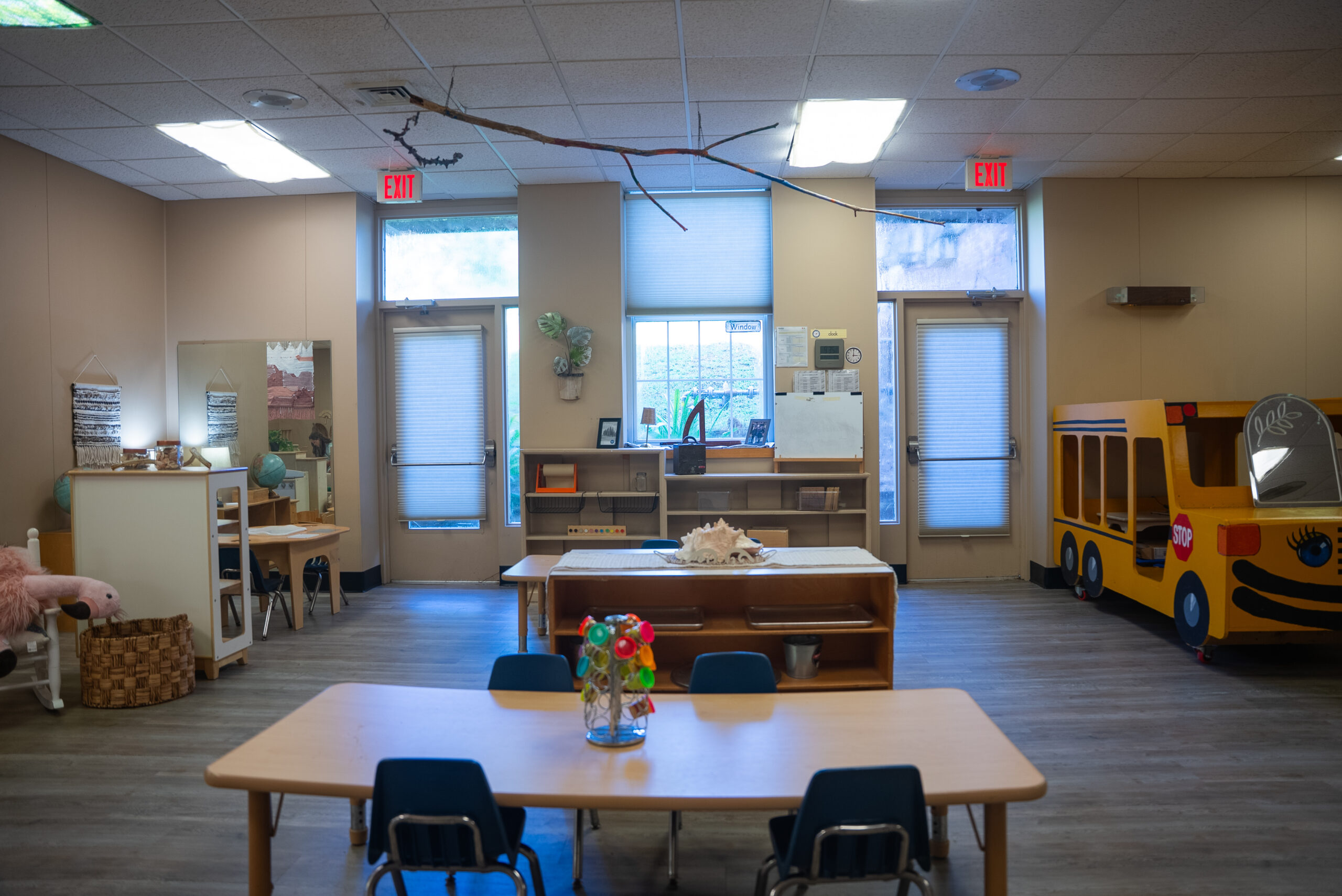
NSU Marie Shaw Dunn Child Development Center (NSU CDC) follows the Reggio-Emilia approach to learning and teaching. The Reggio approach is based on several characteristics, including the collaboration and engagement of the child himself; the participation of families and community in the child’s learning; the role of the educator as documentaries, advocates, and co-constructors; the environment as the third educator; an emergent curriculum; the availability of rich, open-ended materials in ateliers; and the hundred languages of children. The Reggio approach allows children to explore and discover in natural, unaltered forms. We plan hands-on learning and encourage expression and creativity in the children.
The NSU CDC offers a play-based, developmentally appropriate curriculum for children that support the learning and development of each individual child. The program at NSU CDC is highly influenced by both the National Association for the Education of Young Children (NAEYC) guidelines for developmentally appropriate teaching practices and the philosophy of Reggio Emilia. The following principles make up the philosophical framework of the program:
• Child-directed learning, centered on development
• Respect for everyone
• Children speak in Hundred Languages
• Curiosity of children create the curriculum
• Observation is our documentation
Educators at NSU CDC combine their understanding of how children develop socially, emotionally, cognitively, and physically with what they know about each child’s interests, abilities, needs, and backgrounds to plan a developmentally appropriate learning environment. The activities and interactions provided in this learning environment give children a foundation for the cognitive and social skills essential for later academic success.
The NSU CDC believes in the importance of community, an enriching learning environment, and the significance of family involvement. This is accomplished through an enriching community with partnerships within the university, community participation and delivery of high-quality early childhood programming, teacher engagement, and cutting-edge research.